


低 MOQ 定制陶瓷杯:2026 年品牌完整指南
如果您是一个咖啡品牌、咖啡馆老板或精品零售商,希望推出定制陶瓷杯,您首先会问的问题是:"我想买什么? “最小订货量是多少?”
据 Grand View Research, 随着新制造技术和消费者偏好的不断变化,陶瓷行业也在持续发展。.
快来看看我们的 批发陶瓷杯 以工厂直供价购买优质产品。.
多年来,大多数陶瓷厂要求每件设计的产量在 1 000 件以上,这使得中小品牌几乎无法进入市场。但在 2026 年,这种情况正在改变。现在,具有前瞻性思维的工厂可以提供低 MOQ(最小订货量)陶瓷制造,为初创企业、DTC 品牌和自有品牌企业打开了一扇门,让他们无需大量前期投资,就能定制马克杯。.
本指南涵盖您需要了解的有关低 MOQ 定制陶瓷杯的所有信息,包括影响 MOQ 的因素、如何找到灵活的制造商以及订购小批量产品时需要注意的事项。.
陶瓷杯的 “低起订量 ”意味着什么?
MOQ 代表 最低订购量 - 工厂单次生产的最小件数。在传统陶瓷生产中,每个设计的 MOQ 通常从 1,000-3,000 件开始,以支付固定成本:模具制作(每个模具 $200-$800)、样品开发、生产线设置、窑炉调度和釉料准备。.
低起订量 通常是指工厂接受每个设计 100-500 件的订单,对于现有模具或标准形状,有时甚至更低。.
为什么越来越多的工厂开始提供低起订量服务?
- DTC 品牌的崛起 - Shopify、Etsy 和 Amazon Handmade 上的品牌在扩大规模之前需要进行较小规模的试运行。.
- 数字印刷技术 - 数码贴花和热升华印刷可以经济地进行小批量印刷。.
- 竞争加剧 - 中国制造商为争夺买家,提供了灵活的起订量条款。.
- 对利基产品的需求 - 限量版和季节性系列因生产量较小而受益。.
什么因素影响定制陶瓷杯的 MOQ?
| 系数 | 更高的起订量 | 更低的起订量 |
|---|---|---|
| 模具 | 新的定制形状 | 现有形状或标准形状 |
| 装饰 | 全彩贴花,金色饰边 | 单色徽标,升华 |
| 釉料 | 定制配色 | 库存颜色(白、黑、哑光) |
| 包装 | 定制礼品盒 | 标准散装 |
2026 年的低 MOQ 选项
选项 A:标准形状 + 单色徽标(订货量:100-200 件)
选择现有的马克杯形状(11 盎司-14 盎司)并添加单色压印徽标。最适合制作促销杯和活动商品。.
选项 B:标准形状 + 定制贴花(订货量:200-500 件)
标准马克杯上的全彩设计。是咖啡品牌和生活方式类公司追求视觉冲击力的最受欢迎的选择。.
选项 C:定制形状 + 完全定制(订货量:500-1000 件)
完全独一无二的马克杯,形状、手柄设计和釉面都由您自己决定。需要制作新模具。最适合成熟品牌。.
如何节省小批量订单的成本
- 从现有模具开始--从工厂的标准形状目录中选择
- 坚持使用普通釉料(白色、奶油色、黑色、哑光色)
- 考虑采用升华技术--白色马克杯可以在后期制作中小批量印制
- 为重复订单做好计划--工厂为第二次订单提供更优惠的价格
小批量生产质量检查表
- ✅ 在全面生产前要求提供预生产实物样品
- ✅ 确认无铅、食品安全釉(要求提供测试报告)
- ✅ 检查各单位的一致性 - 尺寸和重量
- ✅ 验证包装保护 - 陶瓷杯在运输途中破裂
- ✅ 为您的市场申请 FDA 或 LFGB 认证
为什么选择 COMAIN CERAMIC 来生产小批量生产的马克杯?
- 🟢 库存形状的 MOQ 为 100 件起
- 🟢 500+ 股票模具选项
- 🟢 可进行升华处理的白色马克杯小批量生产
- 🟢 10 天内取样
- 🟢 通过 FDA 和 LFGB 认证
无论您是在产品发布时需要 200 个品牌马克杯,还是在零售试运行时需要 500 个品牌马克杯,我们都能帮助您从小规模做起,并随着品牌的发展不断扩大规模。.
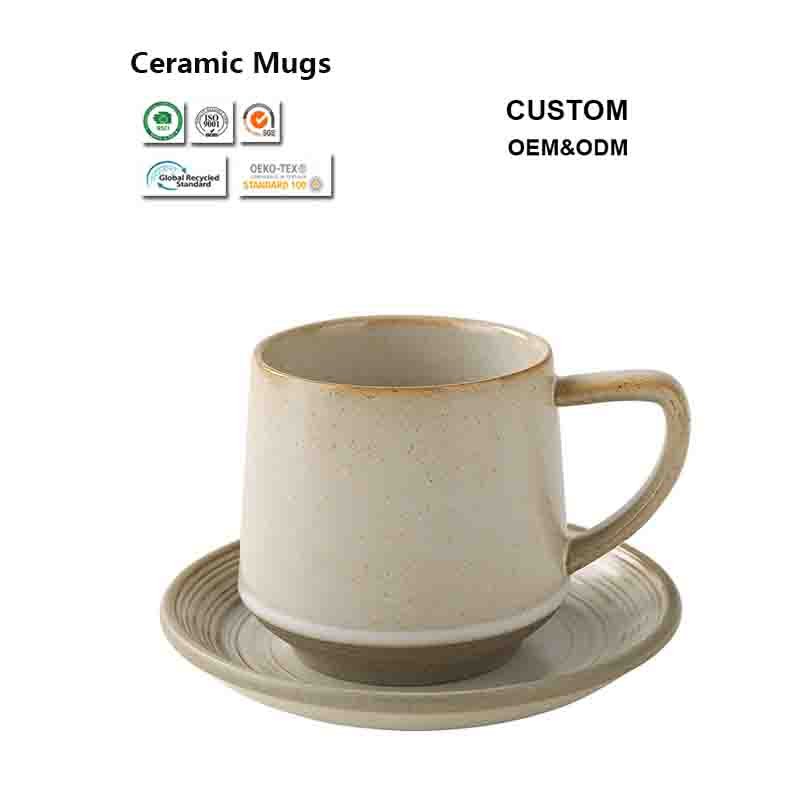
Comparing Low MOQ Options: Stock Customization vs. OEM
For brands seeking low MOQ, the key distinction is between stock mug customization and full OEM. Stock customization uses existing shapes from the factory’s catalog with your design applied via screen printing, sublimation, or decal transfer. MOQ starts at 100–200 units per design, with lead times of 15–25 days. Full OEM requires creating completely new mugs — custom shape, handle, glaze, and packaging — with mold creation costs of $500–$2,000 per design driving MOQs to 500–1,000 units.
While OEM offers exclusivity and brand differentiation, the higher MOQ suits established brands with confirmed demand. For businesses exploring low-MOQ options for the first time, Wikipedia’s article on minimum order quantity provides useful context on how MOQ strategies vary across industries.
Supplier Selection Tips for Low MOQ Orders
Not all suppliers accommodate low MOQ orders. When evaluating, look for factories that explicitly advertise flexible minimums. Ask about setup fees — some charge one-time screen or mold fees for low-MOQ orders. Get a full cost breakdown including setup fees, per-unit pricing, packaging, and shipping before committing. Another strategy: ask about sample first, order later programs to test the market before committing to MOQ. 陶瓷马克杯系列 offers this flexibility to help new brands validate their products with minimal financial risk.
Maximizing Value in Low MOQ Orders
When ordering at low MOQ, every detail counts toward maximizing value. Focus your customization budget on elements that customers notice most: the mug’s tactile quality (glaze feel, handle comfort) and visual appeal (color, logo placement). Consider adding value through thoughtful packaging — a simple branded box or tissue paper elevates the perceived value significantly without adding much cost. Also, plan your reorder cycle: if you anticipate needing more units within 3–6 months, negotiate a repeat-order price upfront. Many low-MOQ suppliers, including 陶瓷马克杯系列, offer better pricing on reorders once the initial setup costs are covered, making subsequent batches more profitable.
Planning Your Product Line with Low MOQ Strategy
A thoughtful product line strategy makes low MOQ ordering more effective. Instead of ordering many designs at low volumes, focus on a few proven designs at slightly higher volumes to get better per-unit pricing while still benefiting from low MOQ. Test designs with a small batch, gather sales data, then double down on winners. Consider seasonal rotations — introduce 2–3 new designs per quarter while phasing out underperformers. This approach keeps your catalog fresh without overextending inventory. 陶瓷马克杯系列 helps buyers plan their product lines with flexible sampling and tiered pricing designed for growing brands.
作者:COMAIN CERAMIC 编辑团队 — 2026 COMAIN CERAMIC。保留所有权利。.