





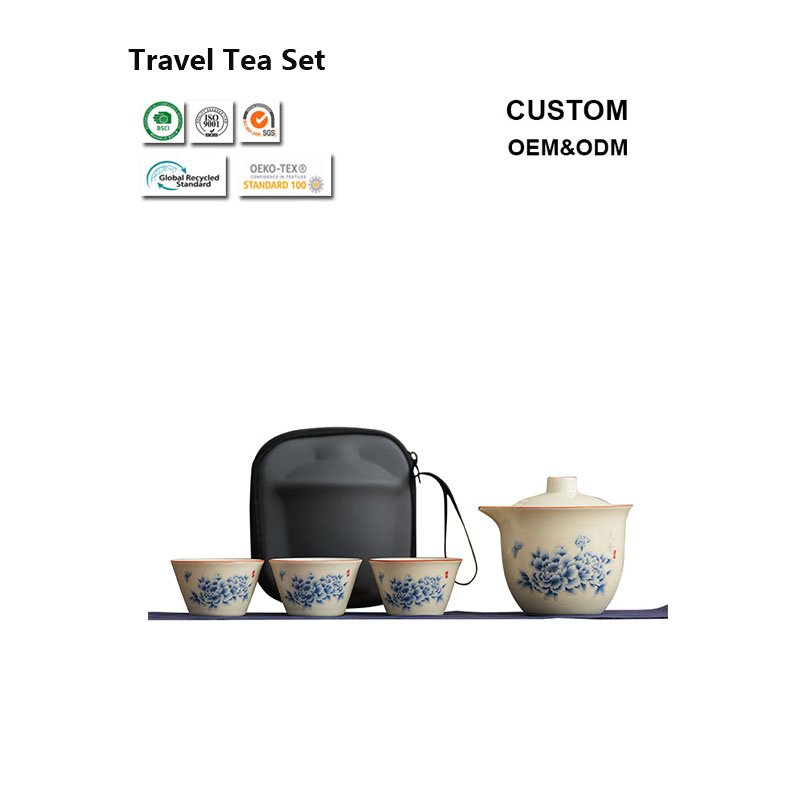



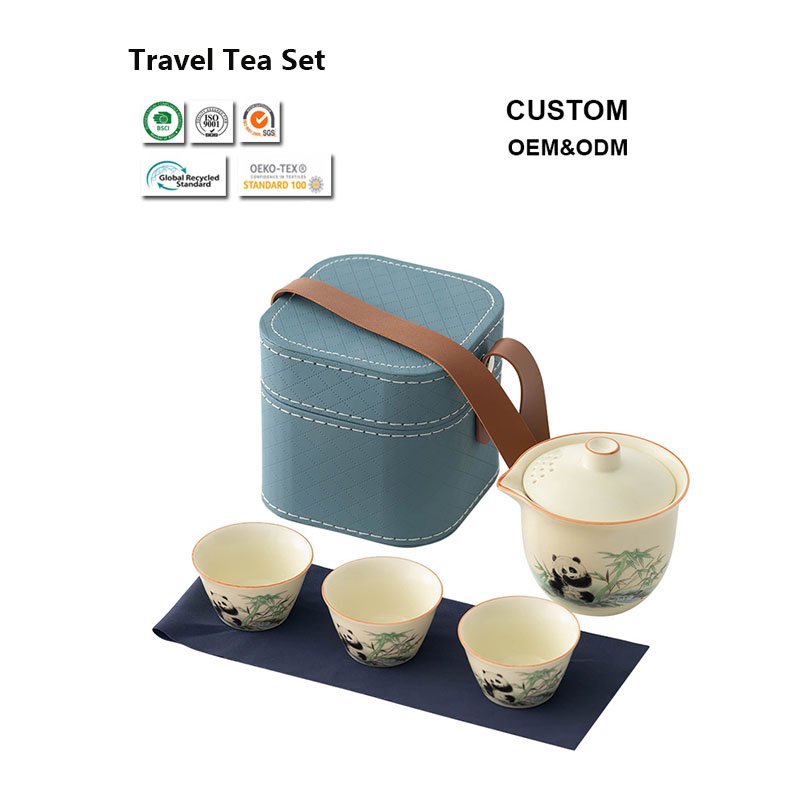
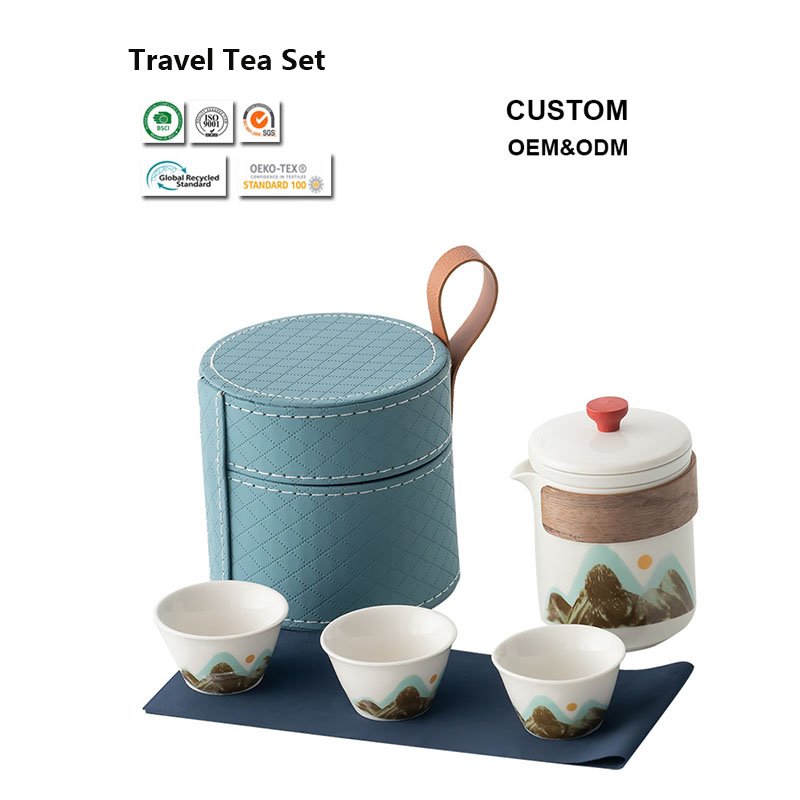

A COMAIN portable ceramic tea set order of 500 pcs ships with 6 documents, and the first one a buyer should read is the fired-chip approval sheet. That sheet carries the approved shade reference and the body weight recorded at sampling, typically 11 oz at 300–320 g. The rest of the file tells you which lot, which kiln run and which carton that standard applies to.
What Travels in the Document Wallet With Each Lot
Every shipment leaves with a packing list stating carton dimensions and gross weight, plus a lot number that links back to the forming date and kiln batch. The wallet also holds the fired standard photo under D65 light, the handle pull test record (3 pulls per unit, 8 kg minimum), and the drop test log at 1.2 m on all six faces. Buyers receive a signed QC checklist covering wall thickness at 4–7 mm, rim roll profile and lid seat. Nothing in the wallet is generated after loading; each sheet is signed at the station where the check happened.

How Lot Numbers Connect a Teapot to Its Kiln Run
Bodies are stamped with a lot code before glazing, so a fired piece can be traced to a forming shift and a firing curve between 1180°C and 1220°C. Water absorption is tested per lot and must stay below 3%. If a buyer reports a weight drift of 30–40 g below the approved sample, the lot code tells us whether the clay body or the wall tooling moved. Traceability stops at the carton for decal orders and at the piece for laser-etched orders, because laser marks are permanent and can be matched to a specific lot without opening packaging.
Weight Records Against the Approved Sample
- Sampling records body weight per capacity: 8 oz, 11 oz, 12 oz and 20 oz.
- Production weighs 5 pcs per carton against the approved figure.
- Drift beyond 25 g triggers a hold before cartoning.
- Approved standard is retained 24 months for reorder comparison.
A lighter body reads the same in the hand and fails faster in service, which is why the weight column sits next to the shade reference rather than in a separate file.
Carton Marking and the Shade Reference Inside the Flap
Cartons are 5-layer with paper interleaves, packed 36 or 48 pcs at 0.03–0.04 cbm. Each carton carries the approved shade reference inside the flap so a warehouse can compare a delivery without opening a mug. Outer marking repeats the lot number, capacity and gross weight. Damage allowance is 2%; anything above that is replaced on the next order, and the claim is settled against the drop test log rather than a photo alone.
Sampling Paperwork Before a Production Slot Is Booked
A buyer approving a Pantone match at 1,000 pcs per colour receives a fired chip, not a screen value, and signs it before the slot is confirmed. Standard MOQ is 500 pcs per colour and capacity. Lead time runs 25–32 days after sample approval. Q4 slots fill 6–8 weeks ahead, so a November promotion needs confirmation by early September. The signed chip and weight record then become the reference for every carton in the run.
Decal Wash Cycles and What the Test Sheet Shows
Decal decoration is rated for 500 wash cycles, and the test sheet records the cycle count, water temperature and pass or fail per batch. Underglaze print, silk screen and laser etch each carry their own record line. Laser removes glaze rather than adding pigment, so its sheet notes depth and position instead of adhesion. Buyers comparing suppliers can ask for the cycle count and the batch it applies to.

Matching a Reorder to the Original Shipment
A reorder is checked against the retained standard for 24 months: same shade reference, same body weight band, same wall thickness range. The lot number changes, the paperwork does not. Buyers receive the new lot code, a fresh QC checklist and a packing list that can be laid beside the original. That comparison is the whole point of the file — a second shipment that matches the first on paper and on the scale, without a new sample round.
As opções de tamanho e cor estão na vaso de cerâmica página da categoria, e as etapas de queima e esmaltação por trás desses números são descritas em o passo a passo do processo de fabricação.