




Introduction
Shipping ceramic mugs safely in bulk is one of the biggest concerns for wholesale buyers. Ceramic is fragile, and a damaged shipment can wipe out your profit margin. This guide covers proven packaging methods and shipping strategies to ensure your order arrives intact.

Why Ceramic Mug Packaging Matters
Ceramic mugs are fired at high temperatures making them hard but also brittle. They have handles — the most fragile part — that can snap if not properly cushioned. A single broken mug in a carton can create ceramic shards that damage surrounding mugs. Good packaging prevents this cascade failure. The cost of proper packaging is typically $0.10-$0.50 per mug for carton quantities, a fraction of the replacement cost for damaged goods.
Beyond cost, proper packaging protects your brand reputation. If your wholesale clients receive damaged products, they are unlikely to reorder. Studies from the packaging industry show that over 11% of all ceramic goods shipped internationally sustain some form of damage when packaged inadequately, according to the International Safe Transit Association (ISTA). Investing in proper packaging drastically reduces this risk.
Packaging Methods Compared
| Méthode | Protection Level | Cost Per Mug | Eco-Friendliness |
|---|---|---|---|
| EPS Foam Insert | Excellent | $0.30-$0.50 | Low (non-biodegradable) |
| Corrugated Cardboard Insert | Good | $0.15-$0.30 | High (recyclable) |
| Bubble Wrap + Kraft Paper | Good | $0.20-$0.40 | Medium |
| Molded Pulp (Molded Fiber) | Very Good | $0.20-$0.35 | Very High (biodegradable) |
| Individual Box + Foam | Excellent | $0.50-$0.80 | Low-Medium |
For most wholesale ceramic mug shipments, individual bubble-wrapping plus corrugated dividers offers the best balance of protection, cost, and eco-friendliness. If you are looking for sustainable options, molded pulp inserts are becoming increasingly popular and provide excellent shock absorption.
Shipping Method Selection
Sea Freight (LCL/FCL) — Most economical for large orders. Mugs in export cartons stacked on pallets. Use corner protectors and stretch wrap. For full container loads (FCL), the risk of internal movement is low. For less-than-container (LCL), ensure your cartons are on top of the stack, not at the bottom.
Air Freight — Faster but expensive. Handled more carefully than sea freight. Cartons typically go through fewer handling points.
Express (DHL/FedEx/UPS) — Best for samples or small orders. Individual packaging matters most here due to frequent sorting. For detailed express shipping guidelines for fragile ceramics, refer to FedEx packaging guidelines for fragile items.
When deciding how to ship ceramic mugs wholesale, consider the total landed cost. Sea freight may be cheaper per unit, but express shipping reduces transit time and potential damage from multiple handling points. Many COMAIN clients prefer DDP (Delivered Duty Paid) shipping for its convenience, as customs clearance and duties are handled by the supplier.
Carton Packing Best Practices
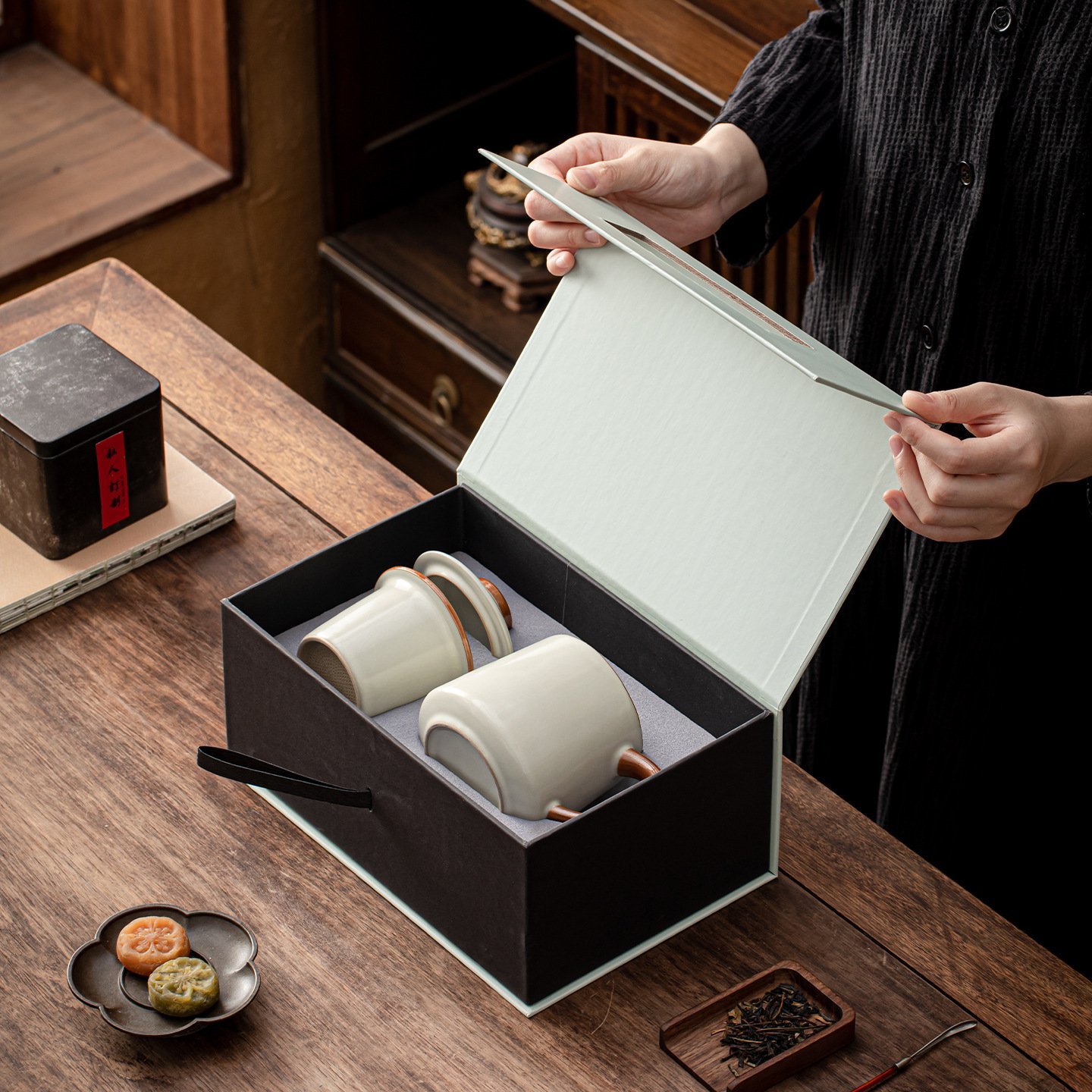
Follow these guidelines for safe bulk shipping: Use double-walled cartons for ceramic products. Each carton should hold 6-12 mugs max — fewer mugs per carton reduces weight and damage risk. Place a layer of corrugated divider between each mug layer. Fill all empty space with packing material (air pillows or crumpled kraft paper). Mark cartons as “FRAGILE — CERAMIC” in the local language of the destination country. For international shipments, include “THIS SIDE UP” arrows in both English and the destination language.
An often-overlooked detail: the carton size should be snug, not tight. A carton that is too large allows mugs to shift during transit. Conversely, a carton that is too tight may not provide enough cushioning around each mug. The ideal carton has 2-3 cm of space on every side after filling, which should be filled with cushioning material.
For bulk orders, consider asking your supplier to provide a packing video or photos before the container leaves the factory. Many reputable manufacturers, including CÉRAMIQUE COMAIN, offer this service upon request and can tailor packaging to your specific requirements.
Another best practice for bulk shipping is to label each carton with a batch number and maintain a packing log. This makes it easier to trace any damage back to the specific production batch or packing station. For large wholesale orders, consider requesting a pre-shipment inspection from a third-party quality control service such as SGS or Bureau Veritas, which can identify packaging issues before the container departs.
Insurance & Damage Claims
Always purchase shipping insurance for bulk ceramic orders. Standard coverage is 110% of invoice value, costing approximately 0.3-1% of the cargo value. If damage occurs: Photograph every damaged item and the packaging. File the claim within 14 days of receipt. Keep all packaging material for inspection. Most reputable manufacturers, including COMAIN CERAMIC’s wholesale mug collection, provide professional export packing that meets insurance standards and will assist with claim documentation.
Customs & Documentation for International Shipments
When you ship ceramic mugs wholesale internationally, proper documentation is essential to avoid customs delays. Key documents include the Commercial Invoice, Packing List, Bill of Lading (for sea freight) or Air Waybill (for air freight), and Certificate of Origin if required by the destination country.
Ceramic mugs are typically classified under HS Code 6911.10 (ceramic tableware and kitchenware) or 6912.00 (ceramic tableware, kitchenware, other household articles). Duty rates vary by country — for example, the US tariff rate for ceramic mugs is approximately 4.5-6% ad valorem, while the EU rate is around 7%. Verify the correct HS code with your customs broker to ensure accurate duty calculation.
For DDP (Delivered Duty Paid) shipments, COMAIN handles all customs documentation and duty payments, making the import process seamless for buyers. If you prefer FOB (Free On Board) or CIF (Cost, Insurance, Freight) terms, we will still provide all required export documentation.
Ship With Confidence
With proper packaging and shipping methods, ceramic mug breakage in transit is rare. Invest in quality packing materials and choose appropriate shipping methods for your order size. Whether you need custom-printed mugs with your logo or plain white mugs for resale, contact COMAIN CERAMIC to discuss your shipping requirements and get expert packaging advice for your order. Browse our full range of mugs en céramique en gros to find the perfect products for your business.
Par la rédaction de COMAIN CERAMIC — 2026 COMAIN CERAMIC. Tous droits réservés.