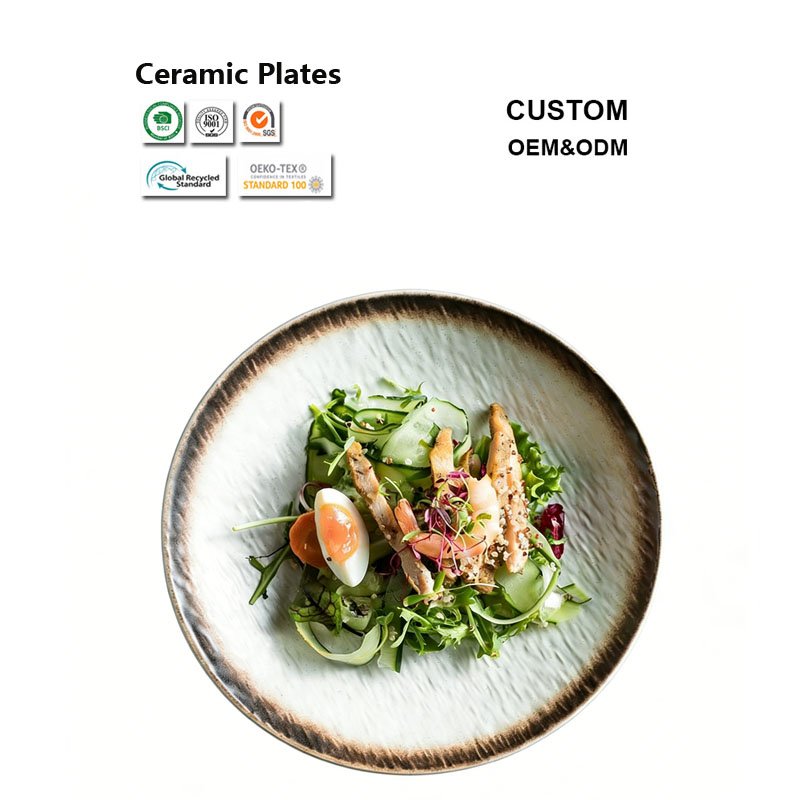












Handmade ceramic tableware has become one of the fastest-growing categories in the global ceramics market. In recent years, buyers and consumers alike have shown a strong preference for handcrafted ceramic products that combine functionality, aesthetics, and long-term value.
As demand continues to rise in 2026, handmade ceramic tableware is no longer a niche choice. It is now widely used across homes, cafés, restaurants, lifestyle brands, and hospitality projects. This article explores what handmade ceramic tableware is, why it is gaining popularity, and how it fits into today’s market trends.
What Is Handmade Ceramic Tableware?
Handmade ceramic tableware refers to ceramic plates, bowls, mugs, and serving pieces that are shaped, finished, or decorated by skilled craftsmen rather than produced entirely by automated molds.
Common handmade processes include:
- Hand throwing on the wheel
- Hand trimming and finishing
- Hand-applied glazes and textures
Unlike mass-produced alternatives, handmade ceramic tableware often shows subtle variations in shape, glaze, and surface detail. These natural differences are considered a key part of its value and appeal.
Why Handmade Ceramic Tableware Is Growing in Popularity
1. Demand for Authentic and Artisanal Products
Modern consumers are increasingly drawn to products with a human touch. Handmade ceramic tableware reflects craftsmanship, tradition, and authenticity—qualities that mass-produced tableware often lacks.
This shift is especially noticeable among:
- Home decor and lifestyle brands
- Specialty cafés and restaurants
- Consumers seeking unique dining experiences
Handmade ceramics allow brands to tell a story, which has become an important factor in purchasing decisions.
2. Functional Benefits for Daily Use
Beyond aesthetics, handmade ceramic tableware offers practical advantages. High-quality ceramic materials provide excellent heat retention, durability, and stability for everyday use.
Well-made handmade ceramic products are typically:
- Food-safe and lead-free
- Dishwasher and microwave safe (depending on glaze)
- Suitable for both home and commercial environments
These functional qualities make handmade ceramic tableware a reliable long-term choice rather than a purely decorative one.
3. Sustainability and Long-Term Value
Sustainability is another major reason behind the growth of handmade ceramic tableware. Ceramic products are reusable, long-lasting, and made from natural raw materials.
Compared to disposable or low-quality alternatives, handmade ceramic tableware:
- Reduces waste
- Supports sustainable living
- Offers a longer product lifecycle
As sustainability awareness grows globally, ceramic tableware continues to gain preference in both retail and hospitality markets.
Handmade Ceramic Tableware vs. Mass-Produced Tableware
While mass-produced tableware offers consistency and low unit cost, handmade ceramic tableware delivers higher perceived value and differentiation.
Key differences include:
- Unique appearance versus uniform design
- Craftsmanship versus full automation
- Stronger emotional connection with end users
For brands and businesses looking to stand out, handmade ceramic tableware provides a clear competitive advantage.
Customization Opportunities in Handmade Ceramic Tableware
Customization is one of the strongest advantages of handmade ceramic tableware. Manufacturers can adjust shapes, sizes, glaze colors, and surface finishes to meet specific brand or project requirements.
Common customization options include:
- Custom glaze colors and textures
- Embossed or engraved logos
- Exclusive product designs for private labels
This flexibility makes handmade ceramic tableware especially attractive to wholesalers, importers, and private label brands.
Market Trends for Handmade Ceramic Tableware in 2026
In 2026, several trends are shaping the handmade ceramic tableware market:
- Minimalist and natural design aesthetics
- Earth-toned and matte glaze finishes
- Coordinated tableware collections rather than single items
Buyers increasingly prefer suppliers who can provide complete handmade ceramic tableware collections that align with modern interior and dining trends.
Choosing a Reliable Handmade Ceramic Tableware Supplier
As demand grows, choosing the right manufacturing partner becomes critical. Buyers look for suppliers who can balance craftsmanship with consistent quality and scalable production.
Key factors include:
- Experience in handmade ceramic production
- Quality control standards
- Ability to support OEM and ODM projects
- Export and packaging expertise
A professional ceramic manufacturer plays a vital role in transforming handmade designs into reliable commercial products.
Conclusion
Handmade ceramic tableware continues to grow in popularity due to its craftsmanship, functionality, and sustainable value. As consumers and brands move away from mass-produced products, handmade ceramics offer a meaningful alternative that combines beauty with everyday practicality.
In 2026 and beyond, handmade ceramic tableware is expected to remain a strong and stable category across home decor, hospitality, and retail markets.